How Mold Spores Spread in Clermont Homes—and How to Stop Them
Mold spores are everywhere—floating in the air, hitching rides on clothing, or lurking in dust. In Clermont’s humid climate, they thrive when they land on damp surfaces, turning minor moisture issues into full-blown infestations. Understanding how they spread is the first step to stopping them in their tracks.
Why Clermont’s Climate Is a Mold Magnet
Central Florida’s warm, humid air provides the perfect breeding ground for mold. Clermont’s frequent rain, high water table, and porous soil mean moisture is a constant battle for homeowners.
Even short bursts of humidity above 60% can trigger spore germination on organic surfaces like drywall, wood, or insulation. Without proper ventilation, attics and crawl spaces become hotspots.
The 4 Main Ways Mold Spores Travel Indoors
Air currents are the primary transporter. Open windows, HVAC systems, and even everyday movement can carry spores from outdoors or contaminated areas into living spaces.
Spores also cling to people, pets, and objects. Tracking in soil on shoes or bringing in damp firewood introduces new colonies into your home.
Water intrusion from leaks, flooding, or poor drainage gives spores a direct path to settle and grow. Even slow drips behind walls or under sinks create ideal conditions.
Poorly maintained ductwork spreads spores throughout the house. Without regular HVAC cleaning, mold in one room can quickly become a whole-home problem.
| Entry Method | Example Sources | Risk Level |
|---|---|---|
| Airborne | Open windows, HVAC systems, fans | High |
| Physical Transfer | Shoes, clothing, pets, firewood | Moderate |
| Water Intrusion | Roof leaks, plumbing, flooding, condensation | Very High |
| Contaminated Materials | Cardboard boxes, old furniture, wet drywall | High |
Where Mold Spores Love to Hide in Your Home
Attics are prime targets due to poor ventilation and roof leaks. Trapped heat and moisture create a haven for mold on sheathing, insulation, and rafters.
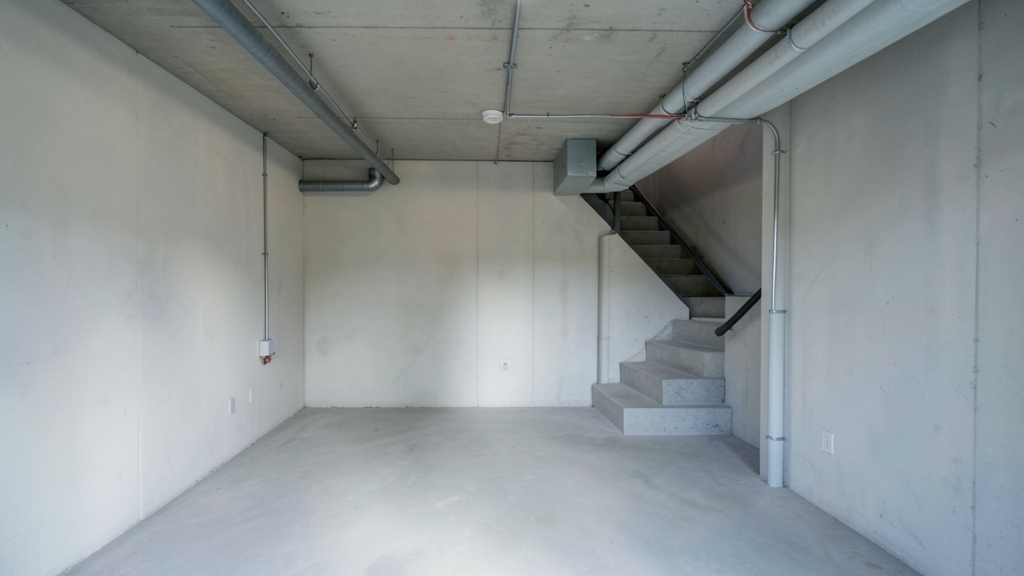
Crawl spaces and basements (common in older Clermont homes and nearby areas like Groveland) suffer from ground moisture and limited airflow. Vapor barriers and encapsulation help, but only if installed correctly.
Bathrooms, kitchens, and laundry rooms see daily moisture. Without exhaust fans or proper sealing, mold takes hold on grout, caulk, and under sinks.
Ductwork and HVAC systems distribute spores house-wide. Regular inspections and cleanings are critical, especially after water damage.
Mold often grows behind walls, under flooring, or inside HVAC systems—out of sight but not harmless. If you smell mustiness but see no mold, assume it’s there and investigate further.
Signs Mold Spores Are Already Active
Visible growth is the most obvious sign, but mold isn’t always black or fuzzy. It can appear white, green, or even pink, depending on the species and surface.
Musty odors indicate active colonies, even if hidden. If a room smells earthy or stale, spores are likely multiplying nearby.
Allergic reactions—sneezing, itchy eyes, or skin irritation—often worsen indoors. These symptoms can signal elevated spore levels, especially in sensitive individuals.
Water stains or discoloration on walls, ceilings, or floors are red flags. Even past leaks can leave behind dormant spores that reactivate when moisture returns.
How to Test for Mold Spores (Before They Spread)
DIY test kits can detect spores but lack the precision of professional air quality testing. They’re a starting point, not a diagnosis.
Our team uses advanced tools like spore traps, moisture meters, and thermal imaging to pinpoint hidden mold and its sources. This data guides targeted remediation.
Surface testing swabs suspect areas for lab analysis, identifying mold species and spore counts. This helps determine if remediation is necessary or if simple cleaning suffices.
For peace of mind, combine visual inspections with air and surface testing. This is especially wise after water damage or before purchasing a home in Clermont or surrounding areas like Minneola.
If mold covers more than 10 square feet, or if you suspect it’s in your HVAC system, professional remediation is the safest choice. DIY fixes can disturb spores and worsen the problem.
Stopping the Spread: Proactive Mold Prevention
Control humidity with dehumidifiers, especially in basements, crawl spaces, and attics. Aim for 30-50% indoor humidity to starve spores of moisture.
Fix leaks immediately—roofs, pipes, windows, or foundations. Even small drips can lead to big problems over time.
Improve ventilation in high-moisture areas. Exhaust fans in bathrooms and kitchens should vent outside, not into attics.
Use mold-resistant products like paperless drywall, moisture-resistant paint, and treated wood in prone areas. These materials inhibit growth even if spores land.
Quick Mold Prevention Checklist
- Run dehumidifiers in damp areas (crawl spaces, basements, attics)
- Inspect roofs, gutters, and downspouts for leaks or clogs
- Seal gaps around windows, doors, and pipes to block moisture
- Clean and dry water-damaged areas within 24-48 hours
- Schedule annual HVAC inspections and duct cleanings
- Use HEPA filters in vacuums and air purifiers to capture spores
What to Do If You Find Mold in Your Clermont Home
Isolate the area to prevent spores from spreading. Close doors, turn off HVAC systems, and avoid disturbing the mold.
For small, surface-level mold (like on a shower tile), scrub with a bleach solution (1 cup bleach to 1 gallon water) or a vinegar solution. Wear gloves and a mask, and ensure the area is well-ventilated.
For larger or hidden mold, call a professional. Our remediation process includes containment, HEPA filtration, removal of contaminated materials, and drying to prevent regrowth.
After remediation, address the root cause—whether it’s a leak, poor ventilation, or high humidity—to prevent recurrence. This is especially critical in Clermont’s climate, where moisture is persistent.
How to Reduce Indoor Mold Spores in 5 Steps
Lowering spore counts improves air quality and reduces the risk of mold growth.
- 1Increase Ventilation
Open windows when outdoor humidity is low, and use exhaust fans in kitchens and bathrooms to expel moist air outside.
- 2Use Air Purifiers
Place HEPA air purifiers in high-traffic or damp areas to capture airborne spores. Replace filters as recommended.
- 3Clean and Declutter
Dust and vacuum regularly with HEPA filters to remove spores from surfaces. Reduce clutter where dust and mold can accumulate.
- 4Control Moisture
Fix leaks promptly, use dehumidifiers in basements or crawl spaces, and ensure proper drainage around your home’s foundation.
- 5Inspect Regularly
Check attics, basements, under sinks, and around windows for signs of mold or moisture. Early detection prevents costly remediation.
Frequently Asked Questions
Can mold spores in Clermont homes make me sick?
Yes. Mold spores can trigger allergic reactions, asthma attacks, and respiratory issues, especially in sensitive individuals. Prolonged exposure to certain molds may also lead to more severe health effects. If you suspect mold is affecting your health, consult a doctor and have your home tested.
How fast does mold grow after water damage in a Clermont home?
Mold can begin growing within 24 to 48 hours of water exposure. In Clermont’s warm, humid climate, this timeline can be even shorter. Immediate drying and moisture control are critical to preventing an infestation.
Is black mold more dangerous than other types in Clermont?
Black mold (Stachybotrys) is often highlighted for its potential to produce mycotoxins, but not all black mold is toxic. However, any mold in your home should be addressed promptly, regardless of color or type. Professional testing can identify the species and guide remediation.
Do air purifiers remove mold spores?
HEPA air purifiers can capture a significant portion of airborne mold spores, improving indoor air quality. However, they don’t address the source of the mold. For lasting results, combine air purification with moisture control and professional remediation if needed.
Can mold spores spread from one room to another in my home?
Absolutely. Spores travel easily through air currents, HVAC systems, and even on people or pets moving between rooms. Containing the affected area and addressing the source quickly is key to preventing house-wide contamination.
Are newer homes in Clermont less prone to mold?
Not necessarily. While newer homes may have better building materials and insulation, poor construction practices, inadequate ventilation, or unaddressed water intrusion can still lead to mold. Regular maintenance and moisture control are essential for all homes, regardless of age.