Mold in Crawl Spaces and Attics: Specialized Inspection Techniques for Clermont Homes
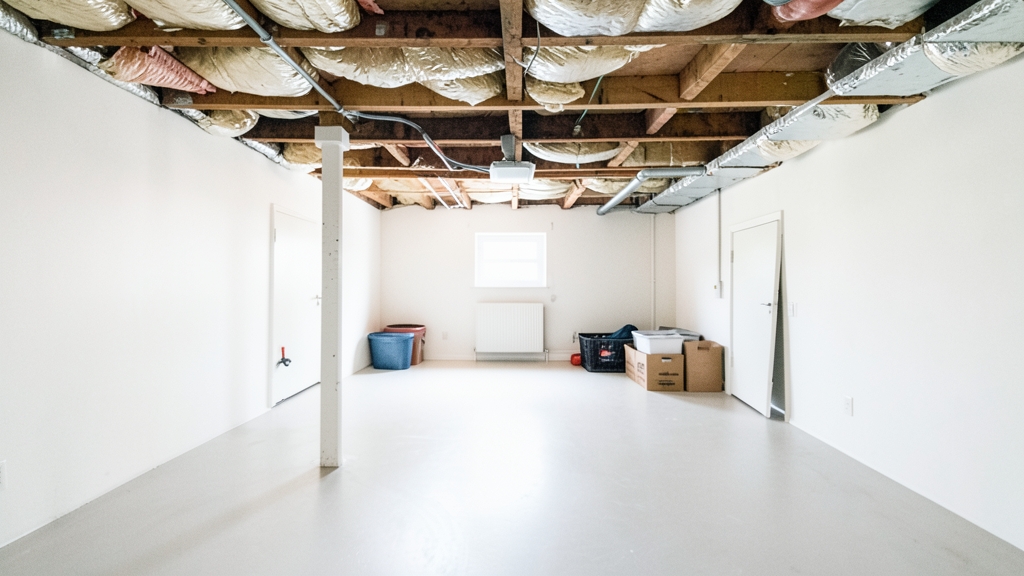
Crawl spaces and attics are prime breeding grounds for mold in Central Florida’s humid climate. Our team uses advanced techniques to uncover hidden infestations before they compromise your home’s structure or air quality. Early detection saves time, money, and stress.
Why Crawl Spaces and Attics Are Mold Hotspots in Central Florida
Florida’s warm, humid air meets cooler surfaces in attics and crawl spaces, creating condensation that fuels mold growth. Poor ventilation traps moisture, accelerating the problem.
Leaky roofs, plumbing, or improper grading around Minneola or Groveland homes can introduce water, while organic materials like wood framing and insulation provide the perfect food source for spores.
Signs You Need a Professional Mold Inspection
Musty odors often signal hidden mold, even if no visible growth appears. These smells travel through HVAC systems, affecting air quality throughout your home.
Water stains on ceilings or walls, warped flooring, or peeling paint in upper levels may indicate attic mold. In crawl spaces, look for efflorescence on foundation walls or damp insulation.
Red Flags for Hidden Mold
- Persistent musty odors, especially after rain
- Unexplained allergy or respiratory symptoms at home
- Dark stains or discoloration on wood or drywall
- Condensation on windows or ductwork
- Increased humidity in living spaces
Specialized Tools for Detecting Hidden Mold
We use moisture meters to pinpoint elevated humidity in materials, not just ambient air. Thermal imaging cameras reveal temperature differences that suggest moisture intrusion behind walls or under flooring.
Borescopes allow us to inspect tight spaces like wall cavities or between floor joists without destructive testing. Air sampling pumps collect spores for lab analysis, identifying species and spore counts.
| Tool | Purpose | Key Benefit |
|---|---|---|
| Moisture Meter | Measures moisture content in materials | Identifies hidden water damage before mold forms |
| Thermal Imaging Camera | Detects temperature variations | Spots moisture behind walls or in insulation |
| Borescope | Visual inspection of tight spaces | Non-invasive access to wall cavities and subfloors |
| Air Sampling Pump | Collects airborne spores | Lab analysis confirms mold type and concentration |
Crawl Space Mold: Unique Challenges and Solutions
Crawl spaces in Clermont often lack proper vapor barriers, allowing ground moisture to rise and condense on subfloor materials. This creates ideal conditions for mold like *Aspergillus* or *Penicillium*.
Encapsulation with a reinforced vapor barrier, paired with a dehumidifier, can transform a damp crawl space into a dry, mold-resistant environment. We also check for standing water or poor drainage around the perimeter.
Improperly installed vapor barriers can trap moisture, worsening mold growth. Always consult a professional to assess ventilation and drainage first.
Attic Mold: The Silent Threat Above Your Head
Attics in Winter Garden or Mascotte often suffer from poor ventilation, trapping heat and humidity. Inadequate soffit or ridge vents lead to condensation on roof decking, promoting mold on wood and insulation.
Dark stains on roof sheathing or blackened insulation are telltale signs. We inspect for blocked vents, improperly installed bathroom or kitchen exhaust fans, and missing or damaged insulation.
The Role of Air Quality Testing in Mold Detection
Air quality testing goes beyond visual inspection by measuring spore counts in your home’s air. Elevated levels of certain species, like *Stachybotrys* (black mold), can indicate a hidden problem even if no mold is visible.
We compare indoor spore counts to outdoor baselines to determine if your home has an active mold issue. This data helps us prioritize remediation efforts and verify success after treatment.
Always conduct air quality testing post-remediation to confirm spore levels have returned to safe ranges. This ensures the mold problem is fully resolved.
When to Call a Professional for Mold Inspection
If you suspect mold but can’t locate the source, or if your home has a history of water damage, a professional inspection is critical. Our team uses a systematic approach to identify moisture sources and mold growth patterns.
For homes in Groveland or Clermont with older construction, hidden mold in attics or crawl spaces is common due to outdated building practices. Don’t wait for visible signs—early intervention prevents structural damage.
How to Prepare for a Professional Mold Inspection
A little preparation ensures our team can thoroughly assess your home for mold risks.
- 1Clear Access Points
Move stored items away from attic hatches, crawl space doors, and HVAC systems to allow full access for inspection tools.
- 2Note Problem Areas
Make a list of any musty odors, water stains, or past leaks to share with the inspector. This helps prioritize the investigation.
- 3Check Ventilation
Ensure attic and crawl space vents are unobstructed. Blocked vents can skew moisture readings and hide underlying issues.
- 4Review Past Water Damage
Gather records of any prior water damage, roof repairs, or plumbing fixes. These are often linked to mold growth.
- 5Secure Pets and Children
Keep pets and kids away from inspection areas for safety, especially if air sampling or invasive testing is required.
Frequently Asked Questions
How common is mold in Clermont crawl spaces and attics?
Extremely common due to Florida’s high humidity and frequent rain. Poor ventilation and water intrusion from storms or leaks make these areas prime targets for mold growth.
Can I inspect for mold myself?
While you can spot obvious mold, hidden growth in walls, insulation, or subfloors requires professional tools like thermal imaging and moisture meters. DIY tests often miss critical areas.
What’s the difference between mold inspection and mold testing?
Inspection involves visual and tool-based assessment to locate mold and moisture sources. Testing collects samples (air, surface, or bulk) for lab analysis to identify mold types and spore counts.
Does homeowners insurance cover mold inspection or remediation?
Coverage varies by policy and cause. Sudden water damage (e.g., burst pipes) is often covered, but long-term humidity or neglect typically isn’t. Request a quote to understand your options.
How long does a professional mold inspection take?
A thorough inspection of a typical Clermont home, including attic and crawl space, usually takes 1.5 to 3 hours. Complex cases or large properties may require additional time.
What areas around Clermont do you serve for mold inspections?
We serve Clermont and nearby communities including Minneola, Winter Garden, Groveland, and Mascotte. Our team is familiar with the unique climate and construction challenges of Lake County.